
Organizations, Programs, & Initiatives
Explore organizations, programs, and statewide initiatives that support youth and young adults with disabilities. Learn what each one does, who it serves, and how to connect.
TOPICS
- Jobs & Work Support
- Independent Living & Community Support
- Family & Youth General Support
- Rights, Advocacy, & Leadership
- Health & Mental Health Services
- College & Postsecondary Programs
Jobs & Work Support
Vocational Rehabilitation (VR)
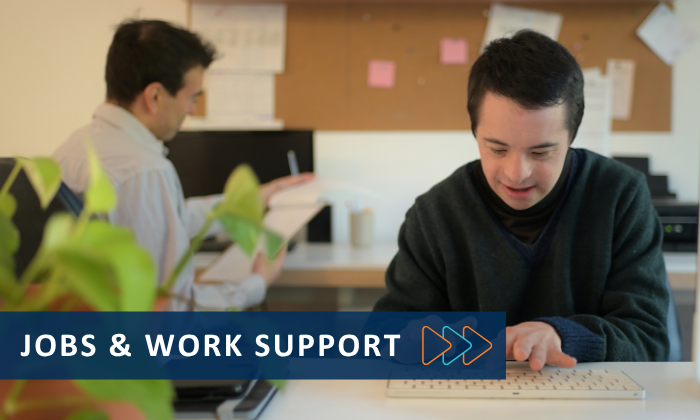
VR can help transition-age youth and adults with disabilities prepare for work, training, and future career goals through job counseling, career exploration, and employment support services. VR may help with things like job coaching, work experiences, resume and interview support, assistive technology, workplace accommodations, and transportation. VR may also help pay for tuition, books, tools, transportation, and other costs related to college, technical school, certifications, or job training programs.
For transition-age youth with disabilities, VR can be one of the most important programs to help with work, training, college, and planning for adult life.
Pre-Employment Transition Services (Pre-ETS)
Pre-ETS helps students explore different jobs and get work experience while still in school. Pre-ETS are a good way to start learning job skills. Pre-ETS help students with career exploration, workplace skills, post-secondary education options, and self-advocacy.
Pre-ETS is an important early step for students with disabilities who want to explore careers, gain work experience, and prepare for future employment goals.
Project SEARCH
Project SEARCH is a school-to-work program for people with Intellectual and Developmental Disabilities (I/DD) who are 18 years of age or older. It is a business-led initiative. Students spend nine months learning in a host business site. Project SEARCH interns complete three 10-week internships.
Learn More About Project SEARCH
Project LIFE
Project LIFE is a school-to-work program for students with Intellectual and Developmental Disabilities (I/DD) who are under 18. Project LIFE helps students with disabilities prepare for life after high school through a combination of classroom learning, independent living skills, career exploration, and real-world work experiences. The program focuses on helping students build confidence, gain job skills, increase independence, and prepare for employment and adult life. Students who continue into Project SEARCH often achieve strong employment outcomes and long-term success in the workplace.
Workforce Center Services (KANSASWORKS)
Workforce Centers have staff who can help you explore job openings, receive job search tips, create a resume, participate in workshops, apply for jobs, and get assistance with interviewing and evaluating job offers.
Find your nearest KANSASWORKS Workforce Center
KanCare Working Healthy Programs - Kansas Department of Health and Human Services (KDHE)
Working Healthy is a Kansas Medicaid program that helps people with disabilities work without losing their health coverage. The program allows eligible people to earn income, build savings, and pursue employment or career goals while keeping important medical and support services. The WORK Program, STEPS Program, and Benefits Specialists are all programs/services under Working Healthy.
- Work Opportunities Reward Kansans (WORK) Program
The WORK Program provides supports related to working and daily living. Services include personal assistance services (PAS), employment supports, and other help that makes it easier to succeed at work and in the community. - Support & Training for Employing People Successfully (STEPS) Program
STEPS helps people with disabilities build skills and supports needed to find work and live independently. Services include personal assistance services (PAS), employment supports, and other help that makes it easier to succeed at work and in the - Benefits Specialists
Benefits Specialists help people understand how work and income may affect benefits like Medicaid, SSI, SSDI, Medicare, housing, or food assistance. They explain work incentives, answer questions about benefits, and help people make informed choices about employment and financial independence.
Independent Living & Community Support
Centers for Independent Living (CILs)
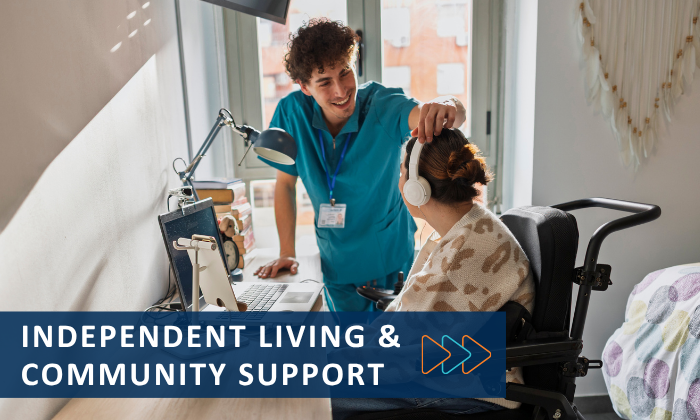
CILs help people with disabilities build the skills, supports, and connections needed to live independently and participate fully in their communities. For transition-age youth, CILs play an important role in bridging the gap between school-based services and adult life. They help with employment, education, independent living skills, assistive technology, peer support, benefits planning, transportation, housing, and community resources. CILs focus on helping youth build confidence, make informed choices, and prepare for a self-directed future in the community.
CILs are one of the most valuable long-term supports for transition-age youth with disabilities.
Kansas Association of Centers for Independent Living (KACIL)
KACIL can help you find your local CIL and understand what services are available near you.
Kansas Aging and Disability Resource Center (ADRC)
The ADRC is a one-stop place to find services, supports, and answers about disability resources in Kansas. The Kansas ADRC helps people find services and supports for healthcare, long-term care, and daily living needs. They provide free and unbiased information to help people understand their options, apply for programs and benefits, and connect with resources in their community.
Community Developmental Disability Organizations (CDDOs)
CDDOs are the starting point for people with intellectual and developmental disabilities to access disability services in Kansas. CDDOs help determine eligibility for services, explain available supports, connect people to providers and community resources, and help families understand options for long-term services and supports.
Family & Youth General Support
Families Together, Inc.
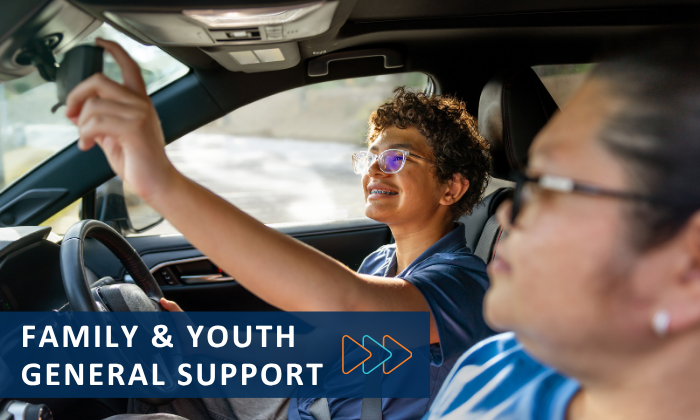
Families Together, Inc. helps families and transition-age youth with disabilities navigate school, services, healthcare, and the transition to adulthood. They provide free one-on-one support, training, advocacy, parent-to-parent support, and resources to help families understand special education, IEPs, transition planning, disability services, and community programs. Families Together can also help youth and families prepare for life after high school by connecting them to employment, education, independent living, and community supports.
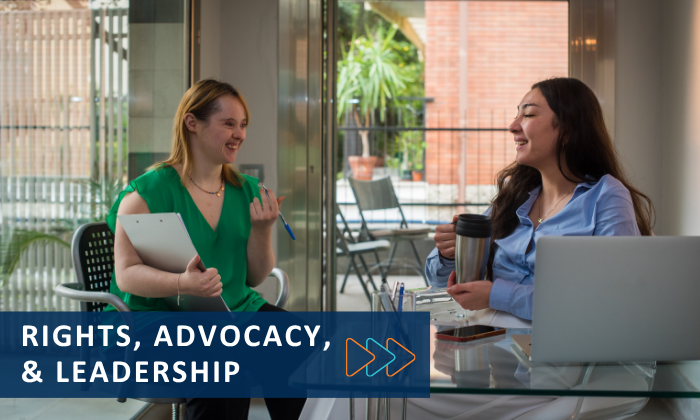
Rights, Advocacy & Leadership
Families Together, Inc. CHASE Program
The CHASE (Community Honoring Adolescent Success in Education) Program helps youth and young adults with disabilities build confidence, leadership, self-advocacy, and independent living skills. Through educational support, wellness activities, mentoring, podcasts, and community events, CHASE encourages young people to speak up for themselves, set goals, build healthy relationships, and prepare for successful adult life in their communities.
Learn More About the CHASE Program
Disability Rights Center of Kansas (DRC)
DRC provides free advocacy and legal services to protect the disability rights of Kansans. Disability rights are the rights you have under federal and state law as a person with a disability. DRC helps with issues involving special education, guardianship, housing, employment, abuse and neglect, home and community-based services, accessibility, and community integration. DRC also helps people learn about their rights, advocate for themselves, and navigate systems. They also advocate for policy change for people with disabilities.
Disability Rights Center of Kansas' Client Assistance Program (CAP)
The CAP helps people with disabilities work with agencies to understand what benefits and services are available to them to work and live in the community. The CAP can help you if you are having an issue with Vocational Rehabilitation (VR) and Centers for Independent Living (CILs). If you are having trouble getting what you need from VR or a CIL, the CAP can help. The CAP can also help you understand how to access services like Pre-Employment Transition Services (Pre-ETS) and advocate for yourself. The CAP helps you understand your rights and options.
Self Advocate Coalition of Kansas (SACK)
SACK is a statewide self-advocacy organization led by adults with intellectual and developmental disabilities. SACK helps people build leadership and self-advocacy skills, learn about their rights, speak up about issues that matter to them, and become more involved in their communities. Through trainings, conferences, outreach, and advocacy, SACK empowers people with disabilities to make choices, influence policies, and work toward greater independence and equal opportunities in Kansas.
Kansas Youth Empowerment Academy (KYEA)
KYEA helps youth and young adults with disabilities build leadership, self-advocacy, employment, and independent living skills. Through mentoring, workshops, youth leadership programs, and peer connections, KYEA helps young people with disabilities build confidence, understand their rights, and become leaders in their schools and communities.
Youth Engagement Transition Initiative (YETI)
YETI is a program of the National Technical Assistance Center on Transition (NTACT). YETI helps youth and young adults with disabilities build leadership and self-advocacy skills while making their voices heard in transition services and programs. YETI gives young people opportunities to share experiences, develop confidence, connect with peers, and help improve systems that support youth with disabilities as they transition into adult life.
Youth Engagement Now (YEN)
YEN is a program of the National Technical Assistance Center on Transition (NTACT). YEN provides tools, resources, and ideas to help groups meaningfully include youth and young adults with disabilities in leadership, planning, and decision-making. YEN focuses on youth voice, self-advocacy, collaboration, and leadership by helping young people build confidence, share their experiences, and become active partners in programs and systems that affect their lives.
Youth Leaders in Kansas (YLINK)
YLINK is a youth-led program that helps young people, ages 12 to 18, with mental health challenges build leadership, self-advocacy, and peer support skills. YLINK gives youth opportunities to share their experiences, connect with other young people, speak up about mental health needs, and help improve services and supports for youth across Kansas.
Kansas Employment First Project
Kansas Employment First is a statewide effort promoting competitive, community-based employment for people with disabilities. Kansas was the first state in the country to adopt Employment First Legislation in 2011. People with disabilities can work in regular community jobs and succeed with the right supports. For transition-age youth, Employment First encourages early job experiences, career exploration, and planning for employment after high school.
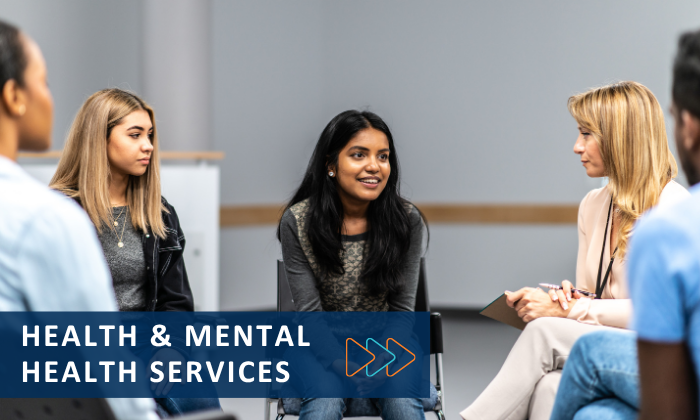
Health & Mental Health Services
Kansas Department for Aging and Disability Services (KDADS)
KDADS helps connect Kansans with disabilities and their families to services and supports that promote independence, health, and community living. KDADS oversees programs related to Medicaid waivers, long-term services and supports, behavioral health, disability services, and community resources. Transition-age youth and families may work with KDADS to learn about available programs, apply for disability services, explore waiver supports, and connect with resources for adulthood and independent living.
Community Mental Health Centers (CMHCs)
CMHCs provide mental health services and support for children, youth, and adults in communities across Kansas. CMHCs can help with counseling, therapy, crisis services, case management, medication services, school supports, and connections to community resources. Transition-age youth and families may contact a CMHC for help with mental health needs.
Kansas Special Health Care Needs (SHCN) Program
The Kansas SHCN Program helps Kansas children and youth with special health care needs or disabilities connect to medical care, equipment, services, and community supports. The Program provides free care coordination to help families navigate healthcare, school, and support systems. It may also help with medical equipment, specialty care, transportation, transition planning, and other services that support health, independence, and quality of life.
Certified Community Behavioral Health Clinics (CCBHCs)
CCBHCs provide mental health and substance use services in communities across Kansas. CCBHCs help children, youth, and adults access counseling, crisis services, therapy, medication services, case management, peer support, and care coordination in one place. These clinics focus on making behavioral health services easier to access and connecting people to the support they need close to home.
Family-to-Family Health Information Center (Families Together, Inc.)
Families Together, Inc. is the Family-to-Family Health Information Center (F2F) for Kansas. F2Fs help families of children and youth with disabilities or special health care needs understand healthcare services, insurance, and community supports. Families can receive free one-on-one help finding services, navigating programs, connecting with resources, understanding healthcare options, and preparing for transitions into adulthood. F2F staff are often family members of people with disabilities themselves and understand the challenges families may face.
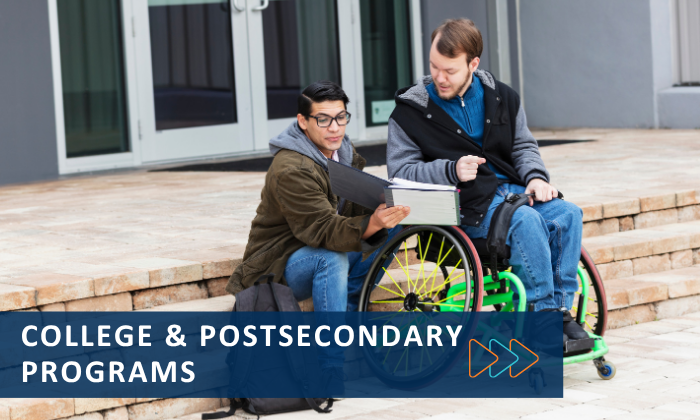
College & Postsecondary Programs
Kansas University Center on Disabilities (KUCD)
KUCD works to improve supports, services, and opportunities for people with disabilities across Kansas. KUCD provides research, training, resources, and community programs related to education, employment, transition to adulthood, self-advocacy, independent living, and inclusion. Families, professionals, schools, and youth may contact KUCD to find information, training, transition resources, and programs that support successful adult life.
KU Transition to Postsecondary Education (KU TPE) Program
KU TPE is an inclusive college program for young adults with intellectual and developmental disabilities at the University of Kansas. Students participate in college classes, campus life, career development, and internships while building skills for employment, independence, and adult life in a supportive college environment.
Johnson County Community College (JCCC) CONNECT Program
JCCC’s CONNECT Program is a two-year transition program for young adults with intellectual and developmental disabilities that helps bridge the gap between high school and adult life. Students build skills for employment, independent living, communication, self-advocacy, and community participation while taking part in college experiences, career exploration, and hands-on learning in a supportive environment.